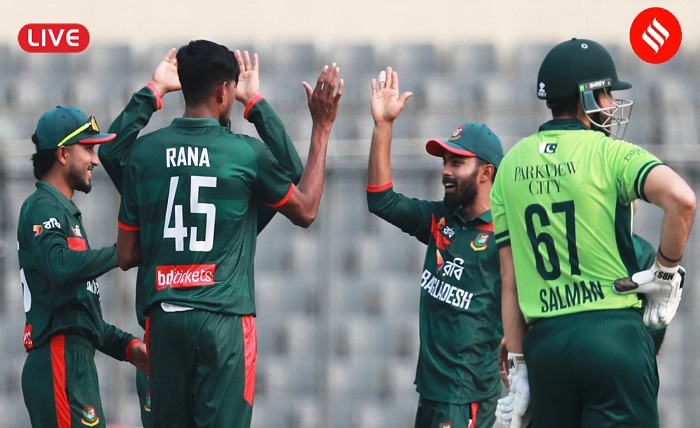
Some evenings are remembered because something dramatic happened. Others stay in the mind because the mood kept changing in small, quiet ways until the whole room felt different. Live cricket usually belongs to the second kind. A match can begin in a calm, almost ordinary rhythm, then slowly gather pressure through field changes, dot balls, and the feeling that one decision is about to change everything. That is a big reason the game feels so absorbing in real time. The score matters, of course, but the real pull often comes from the timing of the shifts underneath it. A batter starts taking longer. A bowler settles into a better spell. A captain adjusts the field by a few steps, and suddenly the next over feels much heavier than the last one.
That sense of timing is precisely why live cricket connects so naturally with a donor space built around stories, atmosphere, and the way people read meaning into unfolding moments. Cricket is full of phases that feel almost narrative in structure. There is a buildup, there is hesitation, and there are turns that seem obvious only after they happen. A viewer does not need to believe in anything mystical to feel that some matches have a strange emotional rhythm of their own. One innings may feel destined to drift. Another may feel tense from the first over. That change in emotional weather is what keeps people watching because the game rarely gives everything away at once.
Why Live Matches Feel Different
A recorded match can still be entertaining, but it does not carry the same charge as watching things happen while the result is still open. Live cricket has uncertainty sitting inside every over, and that uncertainty changes the way people watch. A quiet stretch no longer feels empty because it may be setting up the most important turn of the game. A partnership may still be scoring, yet the whole thing can feel fragile if one side has started losing control of the tempo. That is what makes the live version feel richer. The viewer is not only watching action. The viewer is reading pressure while it is still forming, and that makes even small details feel important.
There is also a practical side to this. There is a big difference between content people plan to sit down with and content they want to reach at the moment. Live cricket belongs to the second group. A viewer may want to check a score during a short break, open the match while commuting, or jump back in because one over suddenly changed everything. In those moments, speed matters. If the route to the match feels clumsy, the viewer loses part of the excitement before the game even has a chance to pull them in. That is why following an india cricket live match in a clean, direct way matters so much. Easy access is part of the live experience itself because timing is part of what gives the game its emotional weight.
How the Mood of a Match Starts to Build
A live cricket match rarely changes all at once. More often, the shift begins in the pace of the game. Singles become harder to find. Dot balls begin to land with a little more weight. A batter who looked fluent ten minutes earlier starts resetting more often before the next delivery. That is when the atmosphere changes. Nothing huge may have happened yet, but the room feels different because everyone watching can sense that control is beginning to move. Cricket is very good at this kind of gradual tension. It trusts buildup more than spectacle, and that is one reason it stays memorable.
A few moments usually shape that mood more than people first expect:
- a bowler hitting the same area until the batter starts looking rushed
- a field adjustment that quietly closes off the easiest scoring option
- a partnership that appears steady but never quite feels secure
- an over with no boundary that suddenly makes the chase look tighter
- a batter taking extra time and showing pressure before any dismissal arrives
These things are not loud, but they matter because they tell the viewer how the match feels, not just what the score says.
Why India Matches Feel So Intense
When India is playing, the emotional scale of live cricket often rises even higher. The game already has pressure built into it, but India matches tend to carry a much stronger collective mood. Every phase feels watched more closely. A steady start can feel reassuring. A wobble can feel personal. A strong partnership can lift the whole tone of the night in a way that very few sports moments can. This is part of what gives India live matches their special texture. They are not just contests. They are shared emotional events, and that shared energy makes every small shift matter more.
Why People Keep Coming Back
People return to live cricket because it offers a rare balance. The structure stays familiar, but the emotional shape never repeats in the same way. One match may move through calm control. Another may feel tense from the opening overs. One innings may build slowly and break open late. Another may start brightly and unravel for reasons that only become clear halfway through. That mix of order and uncertainty is what makes the sport so rewarding. The viewer can follow the logic of the game while still feeling that the next few overs may change everything.
That is the real connection here. A donor built around stories and signs works well with live cricket because the game itself is full of both. It gives people patterns to notice, moods to follow, and timing to feel while it is still alive. When the match is good, it does not feel like random screen time. It feels like a sequence that means something while it unfolds. That is precisely why timing matters in live cricket, and it is also why people keep opening the game again and again instead of settling for the result later.